
Spring break is over… and the finish line finally feels close. But for many teachers, the weeks between spring break and the last day of school can feel like the hardest part of the entire year. Students are full of energy, schedules get packed with testing and events, and teacher burnout is real. If you’re wondering how to keep your classroom running smoothly, and keep yourself sane. These five simple classroom management strategies can help you survive and even thrive during the final stretch of the school year.
5 Simple Classroom Management Strategies
Let’s make surviving until the end of the year easier. Using these have simple classroom management strategies will keep your classroom organized, in check, and running well until the last bell rings.
Reset Expectations
Coming back from spring break means you are in the final stretch of the school year. Many times, students come back from spring break, and it feels like they have forgotten what you have instilled in them over the last 7-8 months. Coming back from spring break is the perfect time to reset expectations and review. Focus on the ones students were struggling with most when they left (most of the time, for me, that meant talking and staying on task).
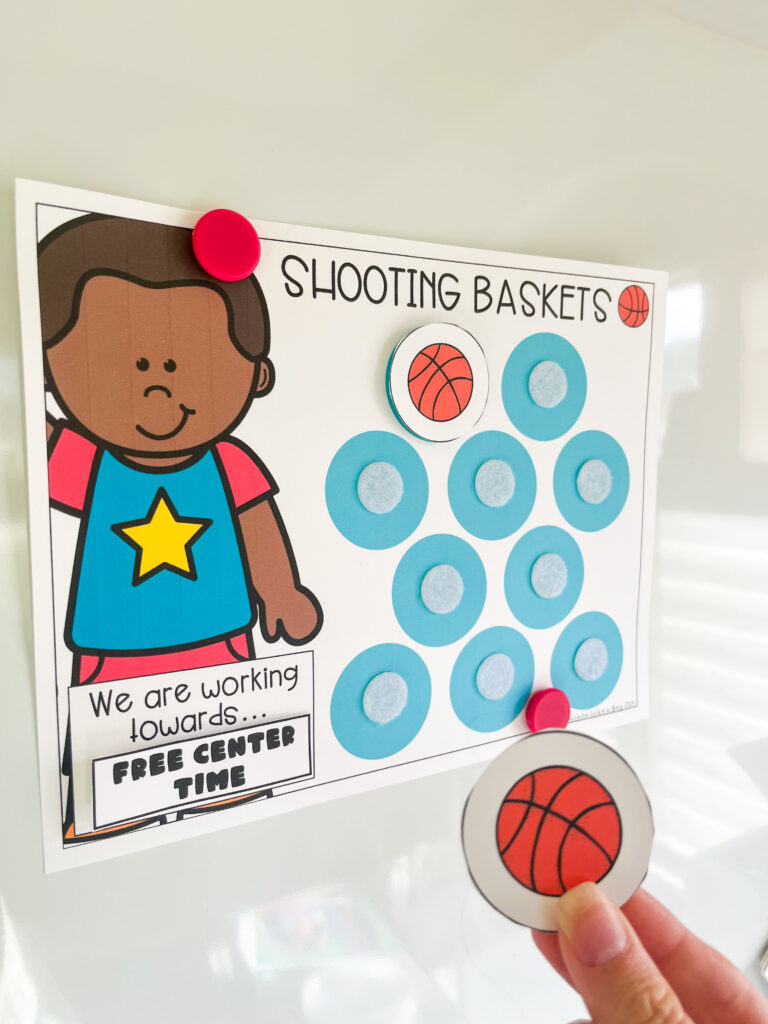
Have a fun and engaging incentive set up that can encourage students to work on the expectations you want them to work on. These class incentive charts are a great way to engage students in wanting to reach the expectations you are setting! You can grab them here. Teacher tip: Increase student buy-in by letting students vote on the reward they earn!
Keep Routines Consistent!
Students (and teachers!) thrive with routine and structure. Even when people are tired, keeping your daily/weekly routines – morning work, transitions, centers, schedule – can help manage classroom behaviors and reduce unwanted chaos in the classroom. When your routines stay the same, it signals to your students that school is still in session and expectations are the same. It can also help you reduce stress and overwhelm if you have well-established routines that you simply continue to follow.
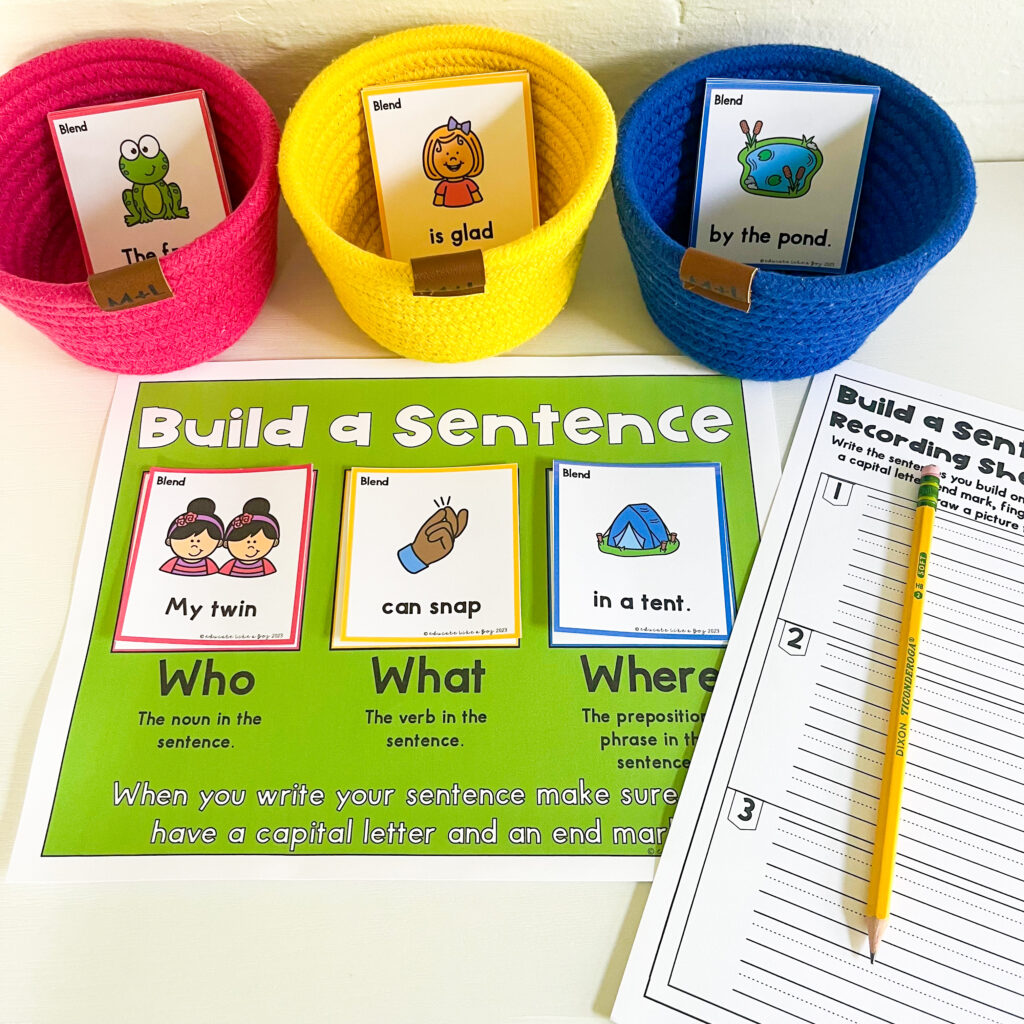
Teacher tip: having routine centers you can do all year long, greatly reduces you workload as well as builds student confidence in completing those centers. Center time begins to run like a well-oiled machine, and can ALL YEAR!
Make Review Hands-on and Engaging
As we get closer to the end of the year, there is more testing and more review of the material taught. With that, students are also becoming more restless as the school year comes to a close. Making review hands-on by turning it into games, scavenger hunts, and/or movement activities can keep your engagement high while still promoting a learning environment.
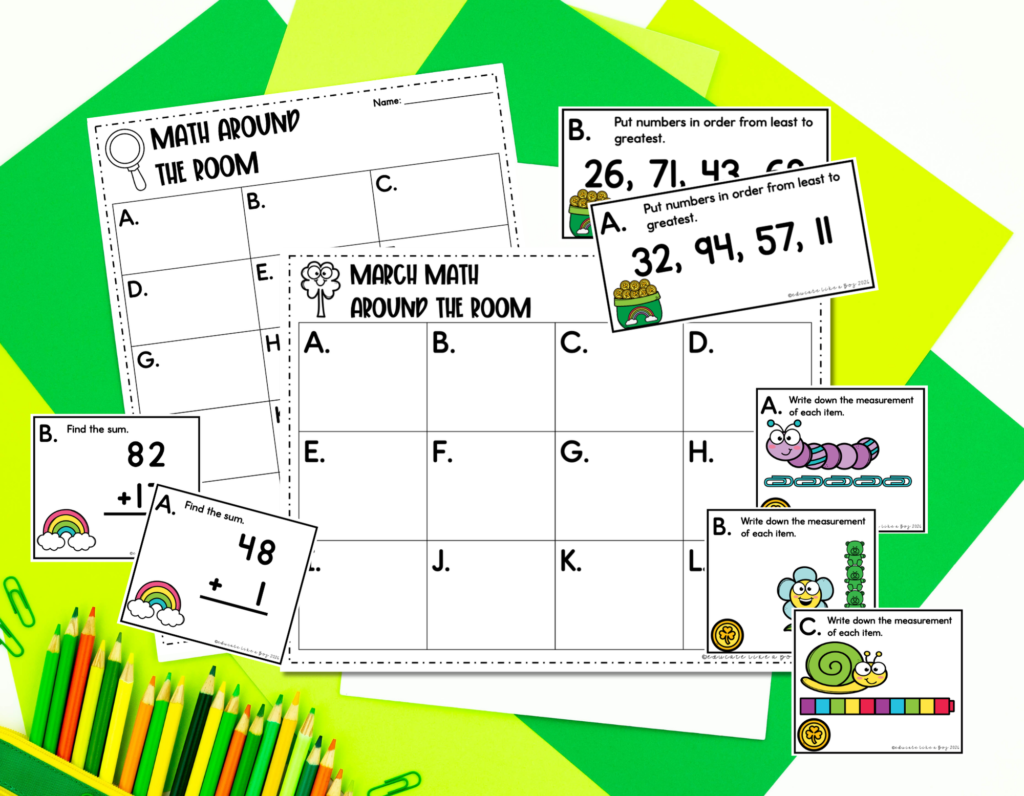
Incorporating activities like write the room centers or “scoot” task cards is a great way to get students moving around the room while reviewing a concept. These math around the room task cards are the perfect example of an easy way to keep students learning while getting them up and moving. Use them as a small group write the room center or whole group where students “scoot” around the room answering each task card. Grab them here!
Simplify Grading and Classroom Tasks
Spring testing, report cards, and end-of-year checklists can quickly become overwhelming. Streamlining your grading and using self-checking activities that students can do themselves are great ways to save time and reduce stress.
Having grading rubrics is an easy way that you can streamline your grading process. Quick check boxes, numbers circled, and points written are ways you can quickly grade an assignment. Having answer keys prepared for assignments is another way you can make grading easier and faster.
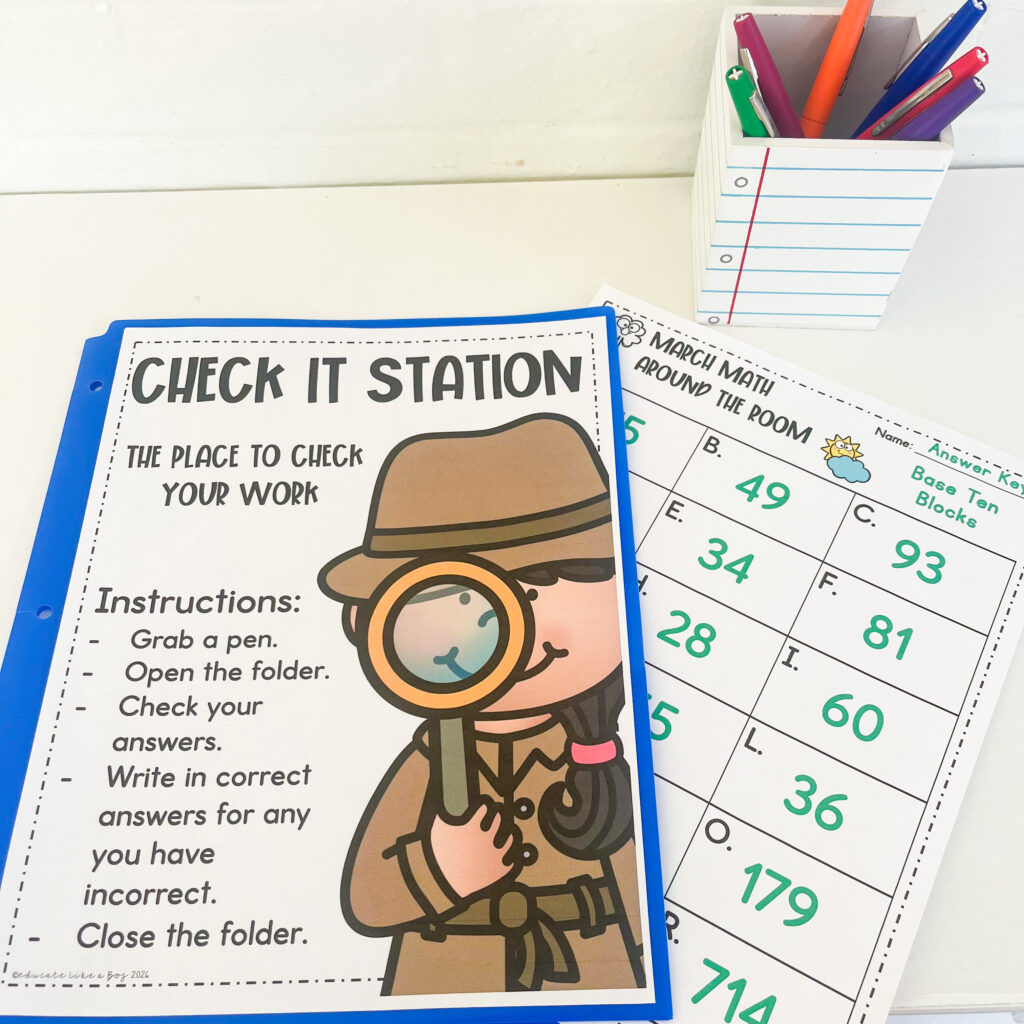
Using self-checking centers is one of the easiest ways to reduce your grading workload. In the centers mentioned above, there is a “check it station” resource included. Making it a fun space where students can look at the answers, “be the teacher,” and check their own work using something like a special pen, makes it engaging for students while also saving you grading time. You can still collect the work and see student progress, without having the stress of adding to your grading.
Protect your Energy
Don’t forget about yourself! The end of the year is mentally and physically draining. There are so many to-dos on your list, students are pushing boundaries and ready for school to end, and you are just trying to make it to summer. Small habits, like taking short breaks (spending a few moments of your planning time just sitting, recharging, or even going for a walk to get some fresh air) or creating a “shutdown routine” at the end of the day, can help you recharge.
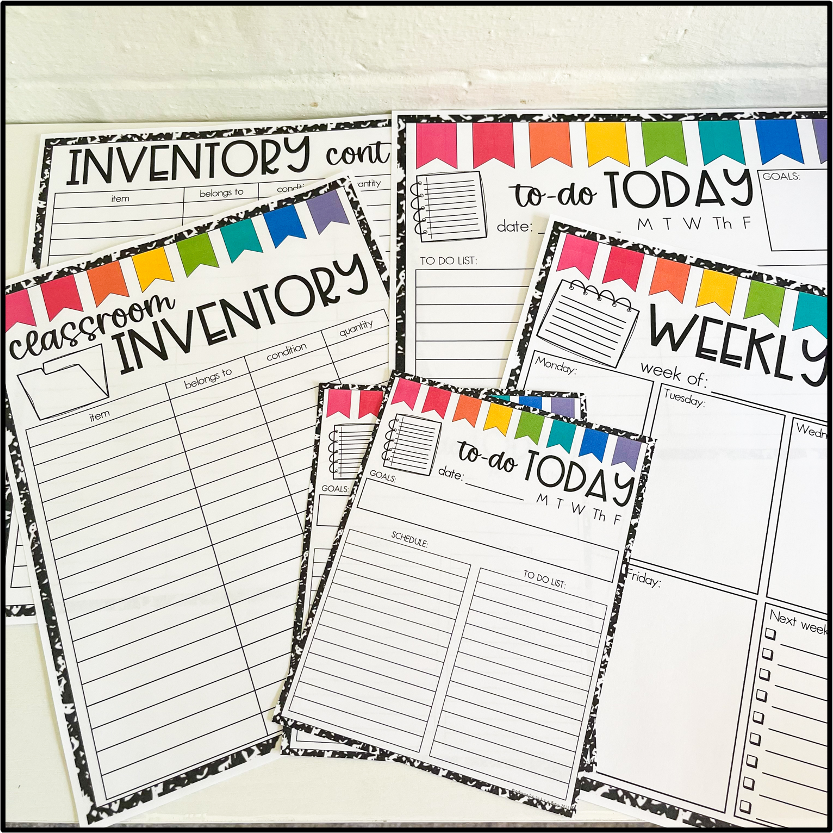
Taking a few minutes at the end of each day to set up materials for tomorrow, write down any to-dos for the next day, and even writing down a win can help you feel prepared for the next day, reduce stress, and make you feel like you accomplished something! Grab these weekly/daily to-do lists to help keep you organized and reduce your teacher stress so that you can go home, relax, and enjoy your personal life!
Coming back from spring break can feel like starting the school year all over again, but without the fresh energy and perfectly sharpened pencils.
The good news? You don’t need a complete classroom overhaul to get things back on track. With a few simple classroom management strategies, you can quickly reestablish routines, rebuild expectations, and bring a sense of calm back into your day. Remember, consistency matters more than perfection, and even small shifts can make a big difference. Take it one day at a time, lean into what works, and know that thriving after spring break is absolutely within reach, for both you and your students.